
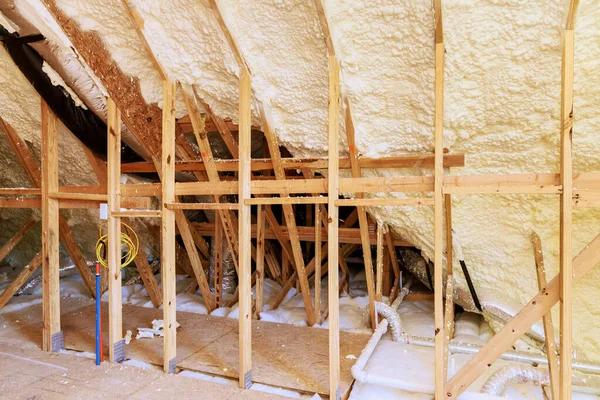
Noise reduction spray foam insulation has gained popularity in recent years as a potential solution for improving a building’s soundproofing while also providing thermal insulation. Whether it is worth the investment depends on several factors, including the specific needs of the property, the existing noise issues, and the budget available for insulation upgrades. Spray foam insulation is primarily known for its excellent thermal performance, creating an airtight seal that reduces energy costs by minimizing heat loss or gain. However, it also offers soundproofing benefits that many homeowners and building managers find valuable.
One of the main advantages of spray foam insulation in terms of noise reduction is its ability to fill gaps and cracks where sound could travel through. Unlike traditional insulation materials such as fiberglass or cellulose, spray foam expands upon application, conforming tightly to surfaces and creating a continuous barrier. This tight seal helps block airborne noise, such as traffic sounds, voices, or machinery, from penetrating walls, ceilings, and floors. The density of the foam also absorbs sound vibrations, reducing the transmission of noise between rooms or from outside to inside.
Despite these benefits, spray foam insulation is not a complete noise-proofing solution on its own. Sound transmission through building structures depends on various factors, including the type of noise, the construction materials, and the overall design of the space. For example, low-frequency sounds like bass from speakers or heavy machinery may still pass through walls and floors even with spray foam applied. To achieve significant noise reduction, spray foam is often combined with other soundproofing techniques such as adding mass-loaded vinyl barriers, decoupling wall assemblies, or installing resilient channels.
The cost of spray foam insulation is generally higher than traditional insulation options. This higher upfront expense can be justified if the homeowner or building manager values both energy efficiency and noise reduction in one solution. The combined benefits can lead to lower utility bills and a more comfortable, quieter indoor environment. In situations where noise pollution is a serious concern—such as homes near busy roads, airports, or industrial areas—the investment in spray foam insulation may provide meaningful improvements in quality of life.
Ultimately, deciding if noise reduction spray foam insulation is worth the investment requires assessing the specific noise challenges and desired comfort levels. Consulting with insulation professionals and soundproofing experts can help determine if spray foam is the most effective choice or if additional soundproofing methods are necessary. In many cases, spray foam insulation offers a practical balance between thermal performance and noise control, making it a valuable option for those seeking comprehensive building improvements.
